

Last Updated: November 24, 2026
Quick Summary
To layer blankets for a cozy bedroom, start with a fitted sheet, add a flat sheet, then a duvet or comforter, and finish with a quilt or throw on top. Follow the three-to-five layer rule, building from lightest and closest to the body up to heaviest and most decorative last.
- Three to five layers is the sweet spot for a cozy bedroom.
- Place the comforter closest to the body and fold the quilt across the lower two-thirds of the bed.
- For maximum warmth, layer from thinnest to thickest so trapped air between layers insulates.
- Designers mix three textures and keep the palette to two or three tones.
- A weighted blanket works as the final layer on top of your existing bedding, not as a replacement for your duvet.
Table of Contents
- What Is the Best Order for Layering Bedding?
- How to Layer a Bed With a Quilt and Comforter
- How to Layer Blankets for Maximum Warmth
- How to Layer a Bed Like a Designer
- Sensory Layering: How Texture and Weight Calm the Bedroom
- Budget-Friendly and Small-Space Layering Hacks
- Adding a Weighted Layer to Your Cozy Bedroom
- Build Your Layering Checklist Before You Shop
- Frequently Asked Questions
What Is the Best Order for Layering Bedding?
The best order for layer blankets starts with a fitted sheet against the mattress, then a flat sheet, then the main duvet or comforter, and finally a quilt or throw on top.
Getting the order wrong can leave your bed looking lumpy or sleeping hot.
Here is the sequence we recommend:
- Fitted sheet on the mattress
- Flat sheet on top, tucked at the foot
- Duvet or comforter inside a duvet cover
- Quilt or coverlet folded across the lower half
- Throw blanket at the foot or draped over one corner
That order follows one simple rule: lightest and closest to the body first, heaviest and most decorative last. Each layer you add should be easier to remove than the one below it.
The Three-to-Five Layer Rule
Three to five layers is the sweet spot for a cozy bedroom. Build from the sheets upward, adding quilts, comforters, and throws until the bed looks full without feeling heavy.
Fewer than three layers reads flat. More than five turns the bed into a wrestling match at 2 a.m.
A practical count looks like this:
- Summer: fitted sheet, flat sheet, light quilt (three layers)
- Spring and fall: sheets, duvet, folded coverlet (four layers)
- Winter: sheets, duvet, quilt, throw (five layers)
The sensory design guidance from QE Home notes that bedrooms are increasingly treated as sensory environments, where layering invites touch and visual interest. That is the goal here.
How to Layer a Bed With a Quilt and Comforter
Layer a quilt over a comforter by placing the comforter closest to the body and folding the quilt across the lower two-thirds of the bed.
Most people get this backwards, putting the decorative quilt on first and the comforter on top, then wonder why the bed looks bulky.
Here is the order that works:
- Comforter first. It is your main warmth layer, so it sits directly over the flat sheet.
- Quilt second. Fold it across the foot of the bed or drape it over the lower half. A matelassé or cotton quilt adds texture without much heat.
- Throw last. One folded throw at the foot finishes the look.
A common mistake is tucking the quilt in at the sides. Don't.
Watch out: if your comforter is already heavy, adding a thick quilt on top traps heat.
How to Layer Blankets for Maximum Warmth
For maximum warmth, layer from thinnest to thickest: a cotton sheet, a light blanket, a heavier comforter, then a wool or fleece throw on top.
Warmth comes from the air pockets between layers, not the weight of any single piece. Three medium layers beat one thick one.
If heavy winter bedding feels like too much, our guide to lightweight alternatives to heavy winter bedding covers lighter layers that still hold heat.
Matching Blanket Weight to the Season
Match blanket weight to the season by rotating layers rather than buying a new bedding set: a light quilt for summer, a mid-weight duvet for spring and fall, and a heavier comforter or weighted layer for winter.
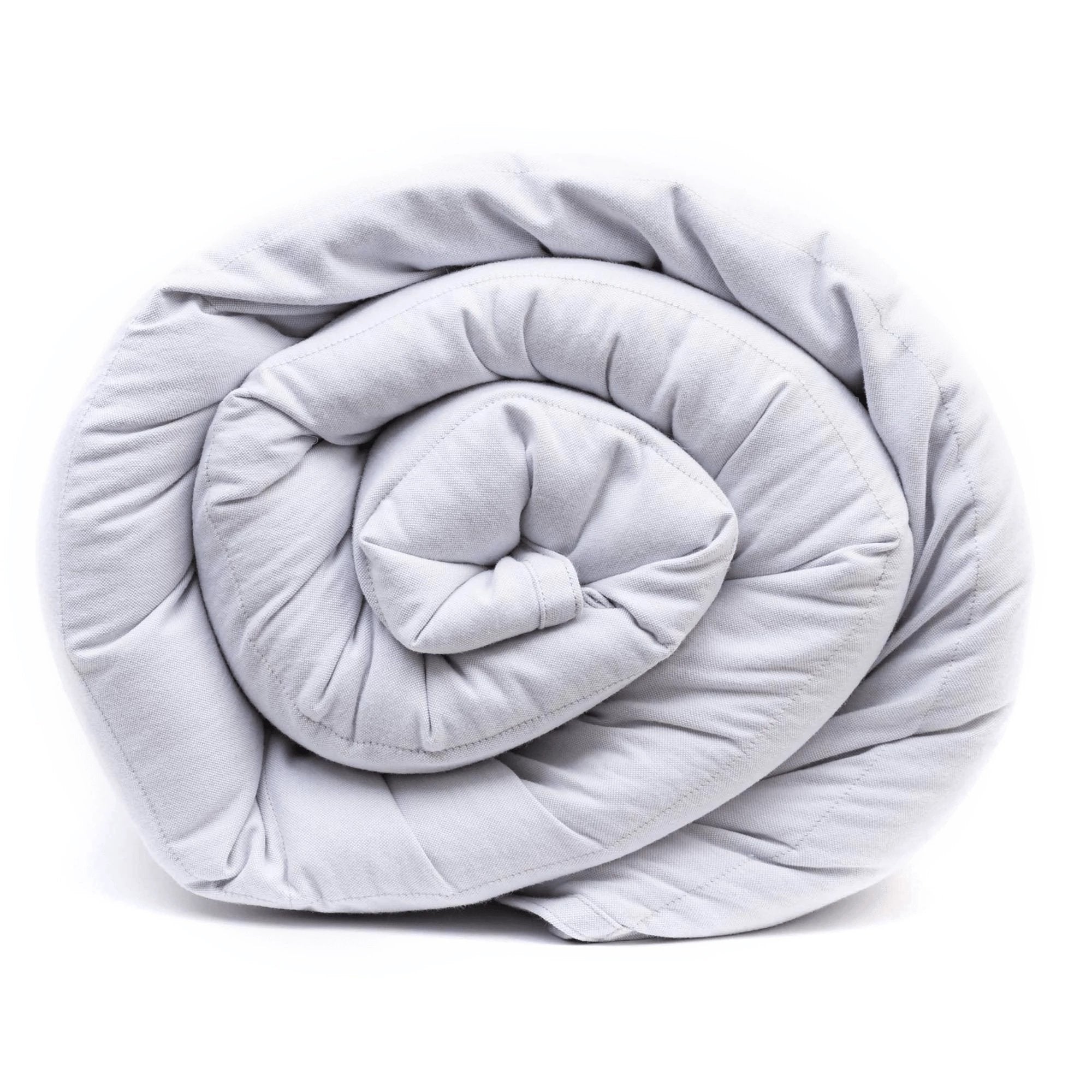
For warmer months, a cooling option makes a real difference. Our Coolmax cooling weighted blanket uses COOLMAX® fabric to wick moisture away, and it comes in Twin, Full/Queen, and King sizes. Pair it with a Coolmax duvet cover if you want a breathable top layer that still looks finished.
A simple seasonal rotation:
| Season | Base Layers | Top Layer |
|---|---|---|
| Summer | Fitted sheet, flat sheet | Light quilt or cooling blanket |
| Spring/Fall | Sheets plus light blanket | Mid-weight duvet |
| Winter | Sheets plus blanket | Heavy comforter or weighted blanket |
Store the layers you are not using in a breathable cotton bag, not a vacuum-sealed one. Compressed batting loses loft over time.
How to Layer a Bed Like a Designer
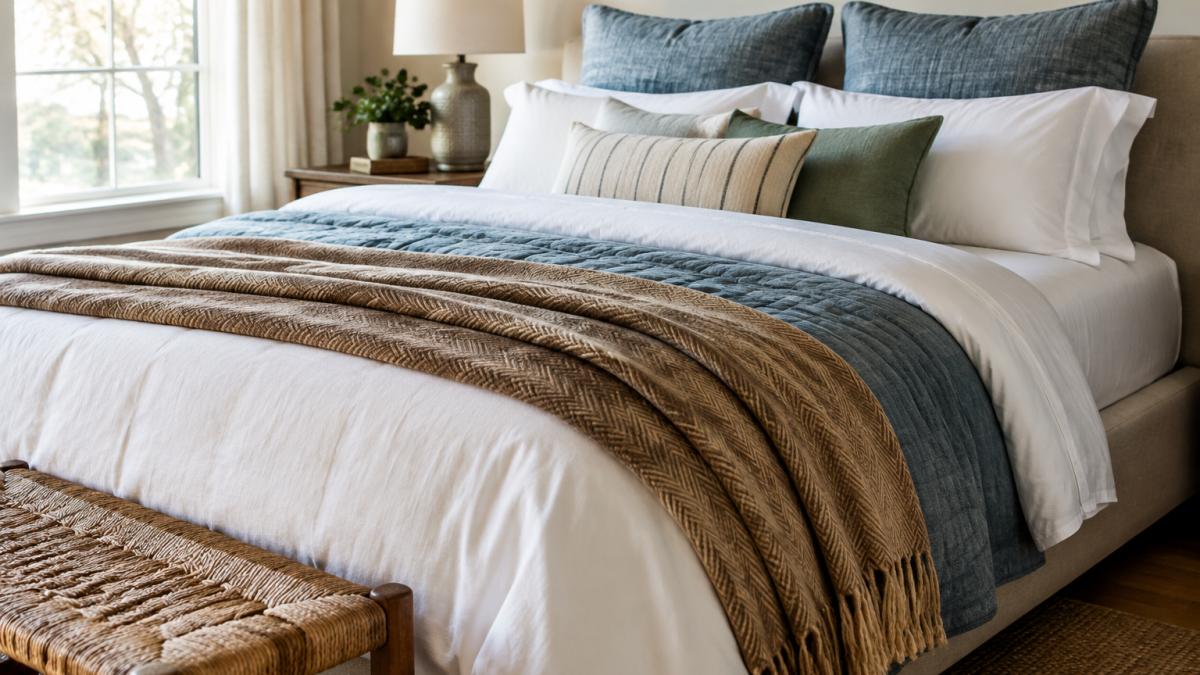
Designers layer a bed by mixing three textures, keeping the palette to two or three tones, and styling pillows in a triangle from back to front. What separates a designer result from a catalog photo is proportion and contrast: each layer should read as its own piece, and no two adjacent layers should share the same hand-feel.
Here is how we would approach it:
- Start with texture. Pair a crisp cotton percale sheet with a knit or velvet layer for textural contrast. The 2026 layered bedding trend report from The Coolist points to varied textures like knits and velvets as the core of a cozy, luxe look. A useful rule is one smooth, one nubby, one plush, for example, percale sheets, a waffle-weave quilt, and a faux-fur throw.
- Build the pillow stack. Euro shams at the back, standard pillows in the middle, one or two decorative pillows in front. Odd numbers look better than even. Keep the front pillow no more than about two-thirds the width of the euro behind it so the stack tapers instead of forming a wall.
- Fold, don't spread. A quilt folded in thirds across the foot of the bed reads more styled than one pulled flat. Fold it so the leading edge sits roughly a third of the way up the mattress, leaving the duvet visible above it.
- Leave one corner loose. A slight asymmetry keeps the bed from looking like a showroom display. Drape the throw over one corner rather than squaring it to the foot.
Color is where most beds go wrong. Pick a base neutral, one mid-tone, and one accent, three tones, no more. Keep the accent to the throw and pillows so the layers closest to your face stay low-contrast.
Watch out: mixing too many high-sheen fabrics (satin, sateen, velvet) under bright light makes a bed look glossy rather than cozy. Balance one shine with matte cotton or linen.
A Sensory Check Before You Style
Before you commit to a look, run a quick tactile pass. The layers you touch should feel good in the dark, not only in photos. A smooth sheet, a mid-weight textured quilt, and a plush throw give the hands three distinct signals, which many sleepers find more restful than a single uniform fabric. If anyone in the home is sensitive to scratchy wool or heavy fills, keep the top layer light and let the visual interest come from the quilt and shams.
Sensory Layering: How Texture and Weight Calm the Bedroom
Sensory layering is the practice of choosing bedding for how it feels, not just how it looks.
Most bedding guides skip this entirely, focusing on color palettes and ignoring the fact that you sleep under these layers for eight hours.
A sensory-friendly stack usually includes:
- A smooth base layer. Cotton or linen next to the skin, nothing scratchy.
- A textured mid layer. A knit blanket or quilted coverlet gives the hands something to find.
- A weighted top layer. Even pressure across the body is what many sleepers describe as the calming part.
For households with allergy concerns, keep the stack simple. Washable covers on every layer and fewer decorative pillows can make cleaning easier.
Budget-Friendly and Small-Space Layering Hacks
You do not need five new pieces to get a layered bed. Start with what you own, add one textured layer, and use folding to create the look of more bedding than you have.
Our favorite low-cost moves:
- Use a duvet cover as a color change. A new cover costs far less than a new comforter and changes the whole bed. Look for a cover with a hidden zipper or inner ties so it stays put.
- Fold a flat sheet over the duvet for a hotel-style band of color at no cost. A flat sheet you already own can read as a coverlet when folded in thirds across the lower half.
- Shop the throw first. One good throw blanket does more visual work than any other layer, and it is the cheapest way to add texture. A knit or waffle throw in an accent tone can carry a neutral bed.
- Repurpose a quilt as a coverlet. A lightweight quilt from another bed, folded across the foot, adds a second texture without a purchase.
Small spaces need one extra rule: keep the layers thin.
Watch out: stacking too many heavy layers on a small bed can make the mattress look swallowed and the room feel tighter.
Allergy-Conscious Layering on a Budget
If dust or down is a trigger, you can still layer affordably. Choose washable cotton or microfiber covers on every layer, skip down-filled comforters for polyester or cotton fill, and keep decorative pillows to a minimum. Fewer, washable layers are easier to keep allergen-free than a deep stack of dry-clean-only pieces.
Adding a Weighted Layer to Your Cozy Bedroom
A weighted blanket works as the final layer on top of your existing bedding, not as a replacement for your duvet.
This is the layer that turns a good-looking bed into a restful one. Our weighted blanket guide for better sleep explains how to pick a weight and what to expect in the first week.
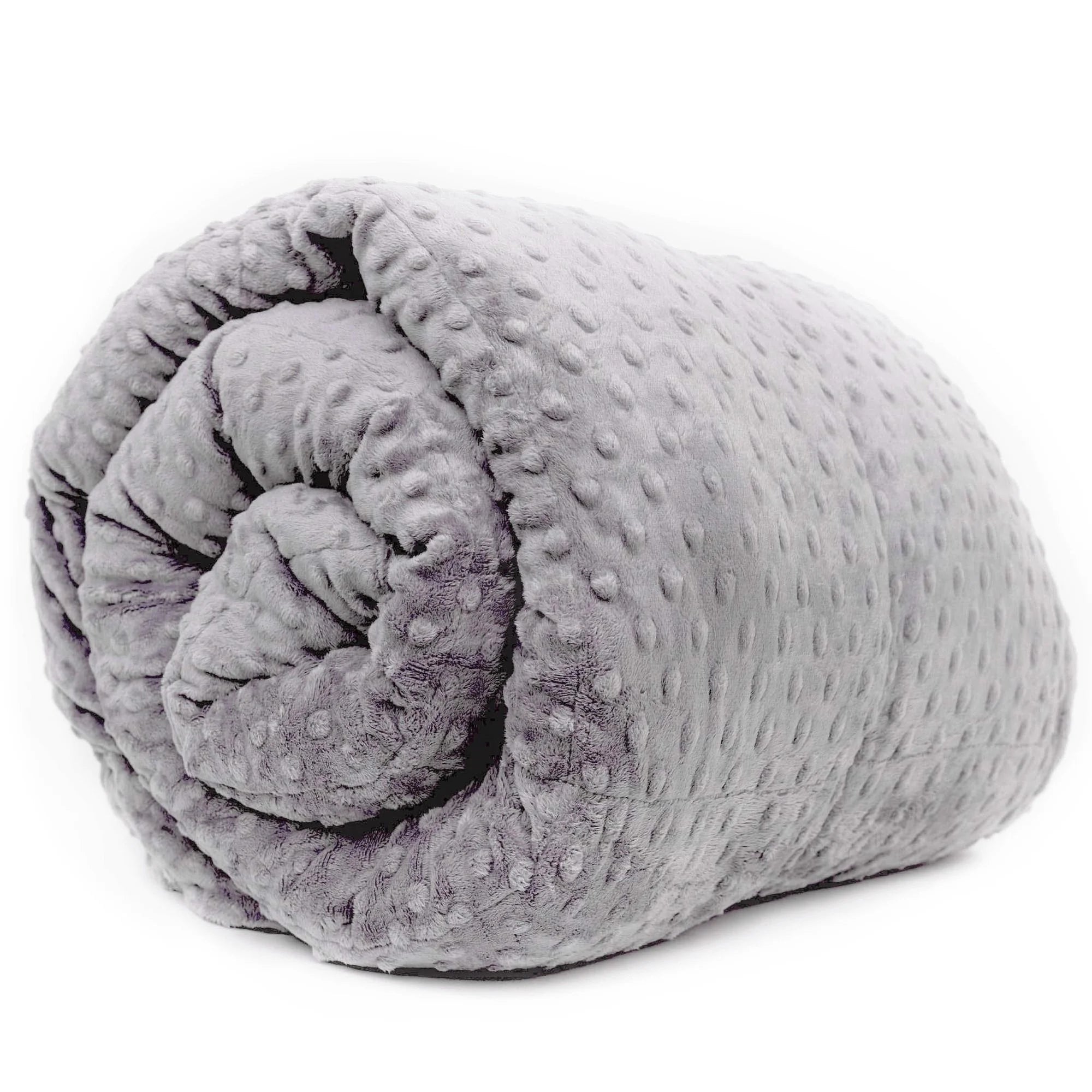
For a soft, warm finish, the Minky Weighted Blanket comes in sizes from Kids through Full, with a velvety minky fabric. It is filled with BPA-free polystyrene pellets.
Three things to know before you buy:
- Weight matters more than size. Pick a blanket close to your body weight range, not the biggest one available.
- Hot sleepers may want to consider cooling styles. COOLMAX® options are designed to wick moisture away.
- Washability is not optional. Check the care instructions before you commit.
Build Your Layering Checklist Before You Shop
Run through this checklist before you buy anything. It stops you from bringing home a layer that fights the ones you already own.
- Measure your mattress depth and note your bed size
- Count your current layers (sheets, duvet, any blankets)
- Pick your three-color palette
- Choose one new texture to add
Work through it in order. The first four items take about ten minutes and save you from most returns.
A cozy bedroom does not come from one perfect purchase. It comes from a stack of layers that each do a job, and from knowing which layer to pull back when the night runs warm.
Frequently Asked Questions
What is the best way to layer blankets for comfort?
Start with a breathable fitted sheet, add a flat sheet, then build upward with a duvet or comforter, a quilt or coverlet, and a throw at the foot. Industry guidance for 2026 suggests three to five distinct layers work best. Keep the layers closest to your skin in natural fibers like cotton percale or linen so moisture can escape, and save the heavier, warmer layers for the top.
How many blankets should you layer on a bed?
Three to five layers is the range most bedding guides recommend, counting sheets as the base. A typical setup is fitted sheet, flat sheet, duvet, quilt, and a throw. More layers than that make the bed hard to manage and trap heat. If your bedroom runs warm or you sleep hot, stay at the lower end and choose breathable fabrics for the layers that touch your body.
How do you layer blankets for maximum warmth?
Put an insulating layer closest to the body, such as a flannel or cotton flat sheet, then add a duvet with a high fill power, and top it with a quilt or a weighted blanket for compression and trapped warmth. A throw folded at the foot adds warmth where feet get cold. Rotate layers seasonally: lighter covers in summer, extra quilts and a heavier blanket in winter.
Can you add a weighted blanket to a layered bed?
Yes, and many people place it as the top functional layer rather than under a duvet. Choose roughly 10% of body weight, and pick a cooling option if you overheat at night. Mosaic Weighted Blankets makes a COOLMAX Cooling Weighted Blanket ($149.95) with moisture-wicking fabric and glass-bead fill, plus a Coolmax Duvet Cover ($139.95) that adds a breathable outer layer over the weight.


