

Last Updated: November 21, 2026
Quick Summary
The best alternatives to sleep aids for staying asleep are removing what wakes you: keep the bedroom cool and dark, stop alcohol three hours before bed, and get out of bed after 20 minutes awake. Most sleep aids target falling asleep, not sleep maintenance, so behavioral strategies and physical aids like weighted blankets work better for 3 a.m. waking.
- Most sleep aids shorten sleep latency but do not address sleep maintenance, which is why you still wake at 3 a.m.
- A common magnesium approach is 200 to 400 mg of elemental magnesium taken 30 to 60 minutes before bed.
- Melatonin doses in research range from 0.5 mg to 5 mg taken 30 to 60 minutes before bed.
- Sedating antihistamines like diphenhydramine build tolerance within days to weeks and can cause next-day drowsiness.
- A common weighted blanket guideline is roughly 10% of body weight, then adjusting for how you sleep.
Table of Contents
- Why You Wake Up at 3 A.M. (and Why Sleep Aids Miss It)
- How to Stay Asleep All Night Without Medication
- Does Magnesium Help With Sleep Quality?
- Melatonin, Valerian, and Other Natural Sleep Aids for Adults
- Over-the-Counter Antihistamines: Benefits, Next-Day Drowsiness, and Tolerance
- Weighted Blankets and Other Non-Supplement Alternatives for Nighttime Awakenings
- What to Do at 3 A.M. When You Can't Sleep
- Risks for Older Adults, Long-Term Use, and When to Call a Doctor
- Frequently Asked Questions
Why You Wake Up at 3 A.M. (and Why Sleep Aids Miss It)
Waking at 3 a.m. is not a random glitch. It is usually a sleep maintenance problem, and most sleep aids were never designed to fix it. At Mosaic Weighted Blankets, we hear the same story from customers: the pill works at 10 p.m. and abandons them at 3.
The numbers explain the frustration. According to the National Center for Health Statistics sleep aid data, 5.2% of adults used prescription sleep medications in 2024, 5.7% used over-the-counter medications or supplements, and 3.7% used marijuana or CBD products for sleep. Yet a 2026 American Academy of Sleep Medicine survey found more than 75% of adults still report difficulty falling asleep or staying asleep at least sometimes. Something is being treated, and it is not the waking.
Sleep Onset vs. Sleep Maintenance: Two Different Problems
Sleep onset is how quickly you fall asleep. Sleep maintenance is your ability to stay asleep without waking. They are different problems with different causes and different solutions.
Most sleep aids target sleep onset. They shorten sleep latency, the time it takes to drift off. Fewer address sleep maintenance, which is why you can fall asleep easily and still be wide awake at 3 a.m. If your problem is the second one, the answer is not a stronger sleep aid. It is a different approach entirely.
Adults Using Sleep Aids by Product Type, 2024
How to Stay Asleep All Night Without Medication
Learning how to stay asleep all night without medication starts with removing what wakes you, not adding something that sedates you. Nighttime awakenings rarely come from nowhere.
Common triggers include a bedroom that runs warm, blood sugar dips, alcohol close to bedtime, and stress that surfaces the moment your guard drops. Address those first, because no supplement outperforms a bedroom that stops waking you.
- Keep the room cool and dark, and remove the phone from reach
- Stop alcohol three hours before bed; it fragments the second half of the night
- Eat a small protein snack if you wake hungry at the same time nightly
- Keep a consistent wake time, even after a rough night
- Get out of bed after 20 minutes awake rather than fighting it
That last point matters more than most guides admit. Lying awake trains your brain to associate the bed with frustration.
Does Magnesium Help With Sleep Quality?
Magnesium is a mineral involved in muscle relaxation and nervous system regulation, and it is one of the most popular nonprescription options for sleep. Does magnesium help with sleep quality? The honest answer is that it may help some people, particularly those with low intake, but it is not a sedative and it will not force sleep.
It is a reasonable first supplement to try because it is inexpensive and generally well tolerated. It is not a guaranteed fix, and it does not work overnight.
Magnesium Glycinate vs. Citrate: Which Form and Dose
Magnesium glycinate is bound to glycine and is generally chosen for sleep because it is gentler on the stomach. Magnesium citrate is better absorbed but draws water into the bowel, which can cause loose stools.
A common approach is 200 to 400 mg of elemental magnesium taken 30 to 60 minutes before bed. Start at the low end. Anyone with kidney disease, or anyone taking prescription medication, should check with a pharmacist before adding magnesium, since it can interfere with absorption of certain drugs.
Melatonin, Valerian, and Other Natural Sleep Aids for Adults
Natural sleep aids for adults fall into a few families, and the evidence is uneven across all of them. A 2024 literature review on herbal sleep supplements reports that some supplements, particularly valerian, hops, and melatonin, may improve sleep quality and reduce insomnia. That is encouraging, not conclusive.
Melatonin is best understood as a timing signal rather than a sleeping pill. It tells the brain that darkness has arrived, which is why it helps most with jet lag and shifted schedules.
Valerian root has mixed research behind it. Henry Ford Health's review of sleep aid options notes that valerian studies are inconsistent despite some evidence it helps people fall asleep faster.
What the Evidence Says About Each Supplement
| Supplement | Best For | Evidence Strength | Typical Timing | Maintenance Evidence |
|---|---|---|---|---|
| Melatonin | Jet lag, schedule shifts | Moderate | 30-60 min before bed | Weak; extended-release mixed |
| Valerian root | Falling asleep faster | Mixed | 30-60 min before bed | Limited |
| Hops | Sleep quality | Limited | Evening | Limited |
| Passionflower | Calm before bed | Limited | Evening | Limited |
| Magnesium | Relaxation, low intake | Moderate for deficiency | 30-60 min before bed | Indirect; may reduce awakenings in deficiency |
| GABA, tryptophan | General sleep support | Weak | Varies | Weak |
Watch out: supplements are lightly regulated compared with drugs, so potency and purity can vary by brand. Look for products with third-party testing seals, and check with a pharmacist before combining any supplement with prescription medication, since interactions are common and often unreported.
A practical way to read this table is to match the supplement to your problem. If you fall asleep fine and wake at 3 a.m., melatonin and valerian are unlikely to be the fix on their own, because their evidence is strongest for sleep onset. Magnesium is a reasonable first trial if your diet is low or you have muscle tension, but it is not a sedative. None of these should be stacked casually, and none replaces addressing the triggers covered elsewhere in this article.
Over-the-Counter Antihistamines: Benefits, Next-Day Drowsiness, and Tolerance
Diphenhydramine and doxylamine are the two sedating antihistamines sold as nonprescription sleep aids, and they work by blocking histamine, the chemical that keeps you alert. They will make most people drowsy. That is the entire benefit.
The costs are real. Both carry a long half-life, so a dose at 11 p.m. can still be circulating at 7 a.m., producing next-day drowsiness that makes driving risky. Tolerance builds quickly with regular use, meaning the same dose stops working within days to weeks. They also interact with alcohol and other sedating medication, and they are a poor choice for older adults, who are more sensitive to confusion and falls.
Weighted Blankets and Other Non-Supplement Alternatives for Nighttime Awakenings
Non-supplement options deserve more attention than they get, because they carry no tolerance and no next-day hangover.
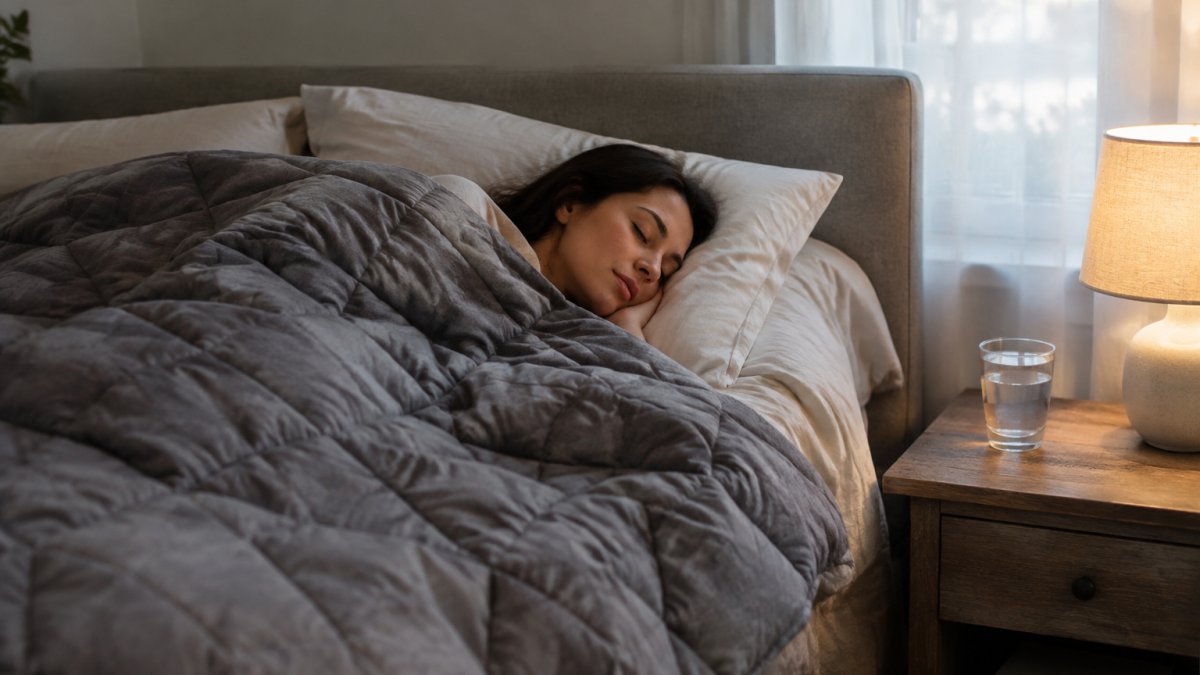
Behavioral approaches are often discussed for nighttime waking. Cognitive behavioral therapy for insomnia, usually called CBT-I, targets nighttime awakenings through stimulus control, sleep restriction, and cognitive work.
Physical aids address the environment that pulls you out of light sleep.
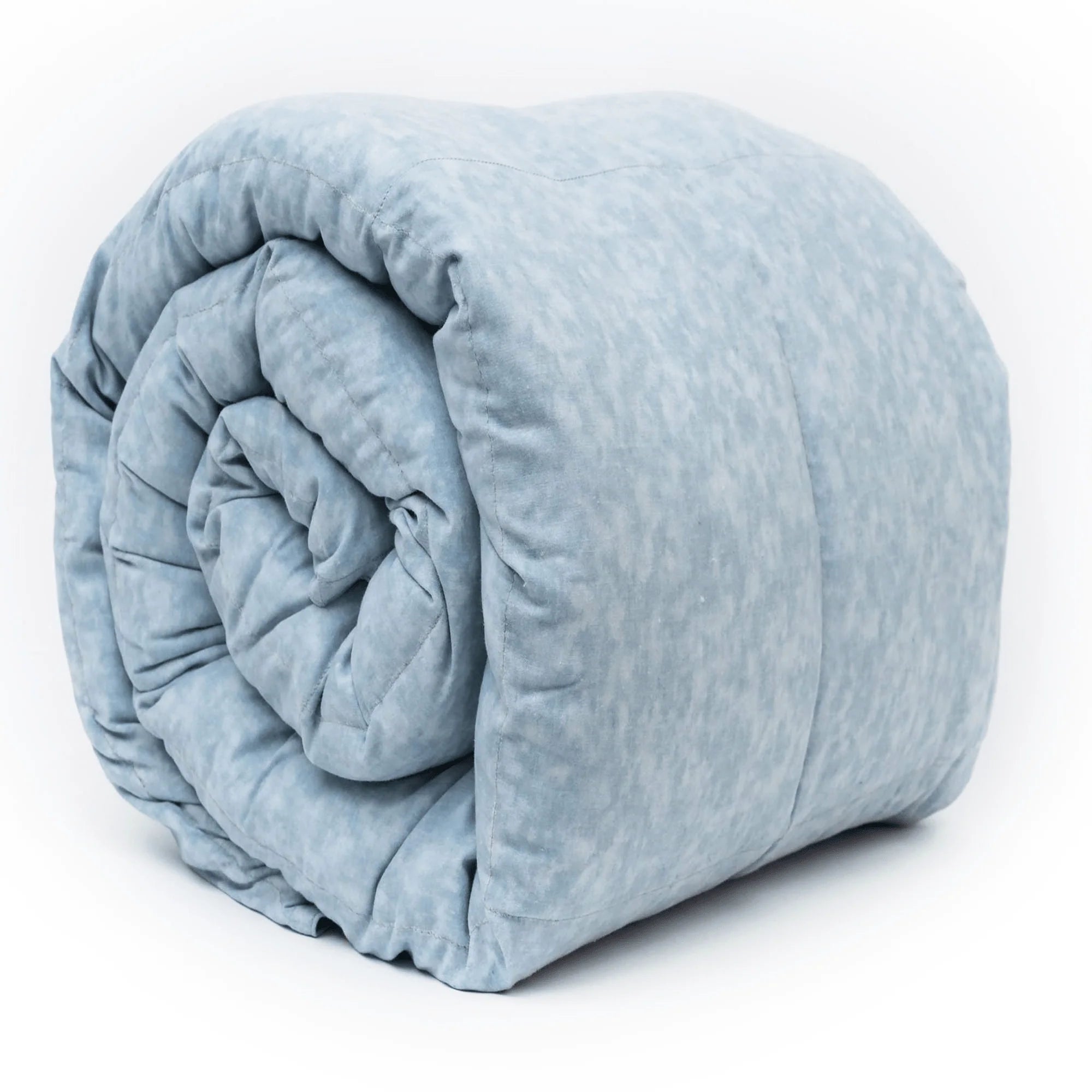
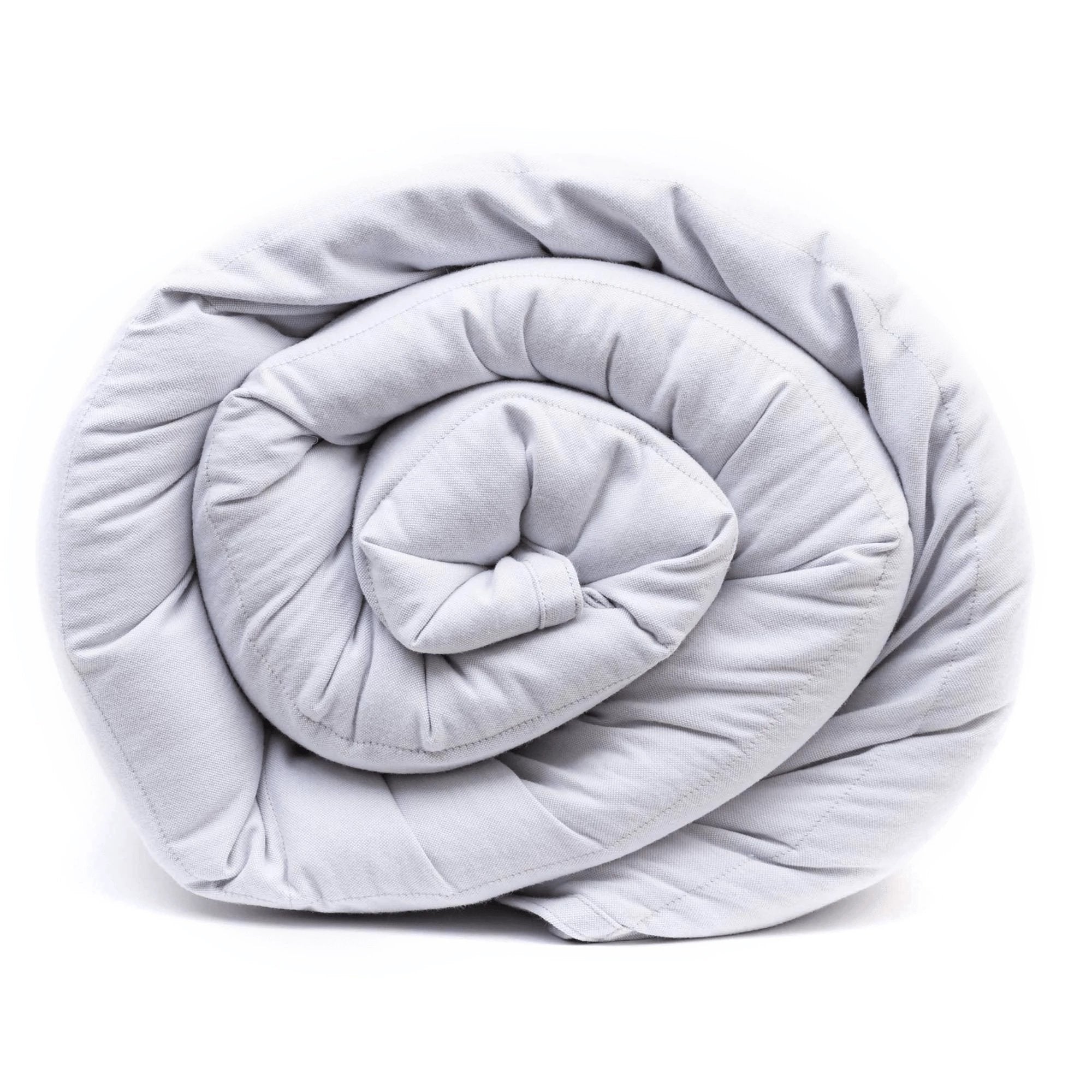
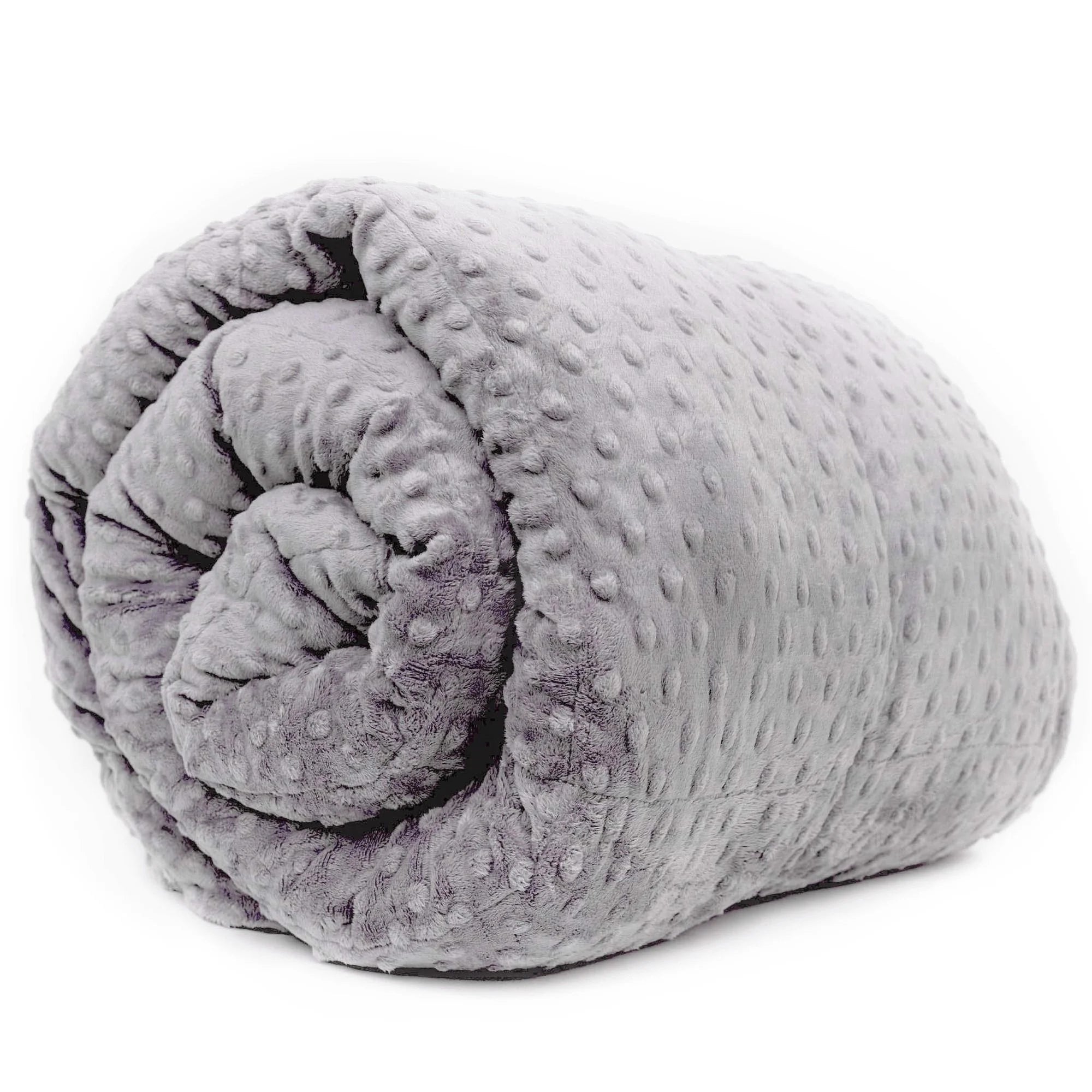
Our Solid Cotton Weighted Blanket is filled with BPA-free hypoallergenic polystyrene pellets and is available from kids size to king. If you run hot, the Coolmax Cooling Weighted Blanket uses COOLMAX® fabric to move moisture away from the body, and the Minky Weighted Blanket has a soft, velvety surface. For a decorative option, the Kensington Plaid Weighted Blanket comes in a classic plaid. If night sweats are part of your waking pattern, read our guide to why breathable cotton helps night sweats before you choose a fabric.
Other non-supplement options worth trying:
- White noise to mask the sounds that pull you out of light sleep
- Blackout curtains for early summer light
- A cooler pillow, since heat builds around the head overnight
- A consistent wind-down routine that lowers arousal before bed
- Earplugs and an eye mask for partners or travel
A common guideline is roughly 10% of body weight, then adjusting for how you sleep. A blanket that is too heavy can be uncomfortable or hard to move, and anyone with breathing conditions or mobility limits should check with a clinician first.
Watch out: none of these aids fixes a cause.
What to Do at 3 A.M. When You Can't Sleep
What to do at 3 a.m. when you can't sleep comes down to one rule: do not stay in bed fighting it. Twenty minutes of frustrated wakefulness teaches your brain that the bed is a place for stress.
Get up. Keep the lights low. Do something quiet and dull, like reading a paper book or folding laundry, until you feel sleepy again. Skip the phone, since the light and the scrolling both raise alertness. When you return to bed, keep the room cool and dark.
If your mind is racing, write the worry down on paper. Externalizing it gives your brain permission to stop rehearsing it. Most 3 a.m. wakings pass within 20 to 30 minutes when you stop treating them as an emergency.
Risks for Older Adults, Long-Term Use, and When to Call a Doctor
Older adults face the highest risk from sleep aids and get the least benefit. Sedating antihistamines and prescription sleep medications raise the risk of confusion, falls, and next-day impairment, and the effect grows with age.
Talk to a doctor or pharmacist if you take prescription drugs, drink alcohol regularly, or have kidney, liver, or breathing conditions. Call a doctor promptly if your waking comes with loud snoring and gasping, since that pattern points to sleep apnea, which sleep aids can worsen.
Waking at 3 a.m. is a solvable problem, but it needs a solution built for staying asleep rather than falling asleep. At Mosaic Weighted Blankets, we make handmade weighted blankets in Texas, with COOLMAX® cooling styles for hot sleepers and hospital-grade anti-microbial options, trusted by more than 58,000 sleepers worldwide.
Frequently Asked Questions
What can I take to actually keep staying asleep?
For sleep maintenance, the options with the most research behind them are melatonin and valerian, though evidence is mixed. Valerian and melatonin are among the more commonly studied over-the-counter options, though the evidence is mixed. Magnesium is another common choice, particularly magnesium glycinate. Before starting any supplement, check with a pharmacist about interactions with medications you already take, since sleep aids can compound effects with other sedating drugs.
How to stay asleep all night without medication?
Start with sleep hygiene basics: keep a consistent bedtime, cool your bedroom, and limit alcohol and caffeine in the evening. If you wake during the night, avoid checking the clock and keep lights dim. Non-supplement tools like weighted blankets apply gentle pressure that many users find calming. Behavioral changes are often discussed as a first approach before trying any product.
Can magnesium help you stay asleep?
Magnesium supports muscle relaxation and nervous system function, which is why it's often recommended for sleep quality. However, clinical evidence specifically for sleep maintenance is limited compared to melatonin or valerian. If you try it, magnesium glycinate is generally well tolerated and less likely to cause digestive upset than citrate. Take it 30 to 60 minutes before bedtime and discuss dosing with your pharmacist, especially if you have kidney issues or take other medications.
What should I do at 3 a.m. when I can't sleep?
Get out of bed if you've been awake for more than 20 minutes. Move to a dim room and do something quiet like reading or light stretching until you feel drowsy, then return to bed. Avoid screens, bright lights, and checking the time, which can increase anxiety. Keep the room cool, and some people find a weighted blanket calming. If nighttime awakenings happen most nights for weeks, talk to a healthcare professional about whether an underlying cause like sleep apnea or anxiety needs attention.
When should I talk to a doctor about waking up during the night?
See a healthcare professional if you wake up three or more nights a week for more than three months, if daytime fatigue affects your work or safety, or if you snore heavily or gasp during sleep. Nighttime waking is common, but persistent insomnia symptoms warrant evaluation for underlying conditions and a review of any medications or supplements you're using.


