

Last Updated: November 19, 2026
Quick Summary
Breathable cotton helps night sweats because its open weave lets air move through the fabric and carry heat away from the skin. Cotton also absorbs sweat, though it can stay damp longer than faster-drying fabrics when sweating is heavy.
- Cotton's loose, open structure lets air move through the fabric and lets heat escape from the body.
- Breathability, absorbency and drying speed are different properties, and cotton is breathable and absorbent but dries slowly.
- Heavy sweating can leave cotton clammy, so quick-drying or moisture-wicking fabrics may work better in that case.
- Layer a thin, removable top layer instead of one heavy comforter so you can adjust during the night.
Table of Contents
- Breathability, Absorbency and Drying Speed Are Not the Same Thing
- How Breathable Cotton Affects Night Sweats
- Cotton Versus Synthetic and Natural Alternatives
- Best Fabric for Night Sweats: Comparing Your Options
- Moisture-Wicking Sheets for Night Sweats and When Cotton Falls Short
- Bamboo Sheets for Night Sweats: How They Compare to Cotton
- Step-by-Step: Setting Up Your Bedding and Sleepwear for Night Sweats
- Choosing Your Next Sheet Set or Sleepwear Upgrade
- Frequently Asked Questions
Night sweats can turn a good night's sleep into a string of wake-ups, damp sheets and restless tossing. Many people who run hot at night find that the fabric touching their skin makes a real difference. Breathable cotton is one of the most common places to start, and this guide explains how cotton helps, where it falls short, and how to set up your bed for a cooler night.
Cotton is a natural fiber. Its loose, open structure lets air move through the fabric and lets heat escape from the body. That airflow is the main reason cotton feels cooler than many synthetic materials. A pilot study published in PMC reported that participants using cooling bed sheets in a hot setting noted fewer night sweats and less sleep disruption, though the sheets were not described as cotton in that research non-randomized pre-post pilot study of cooling bed sheets.
Breathability, Absorbency and Drying Speed Are Not the Same Thing
These three words often get lumped together, but they describe different things. Breathability is how easily air passes through the fabric. Absorbency is how much moisture the fabric can soak up. Drying speed is how fast that moisture leaves the fabric once it is wet.
Cotton is generally breathable and absorbent. When sweat is heavy, cotton can hold moisture against the skin for a while, and that can feel clammy.
- Breathability: air flow through the weave
- Absorbency: how much sweat the fiber holds
- Drying speed: how quickly wet fabric dries
How Breathable Cotton Affects Night Sweats
Here is how cotton typically works on a warm night, step by step:
- Heat leaves the skin. Air moves through the open weave and carries warmth away.
- Sweat is absorbed. Cotton fibers pull moisture away from the skin.
- Moisture evaporates. Air movement helps the damp fabric release that moisture.
- Drying takes time. Heavy sweat can keep cotton damp longer than faster-drying fabrics.
A cotton cover that stays dry enough to breathe usually feels comfortable. One that stays soaked will not.
Cotton Versus Synthetic and Natural Alternatives
Many shoppers compare cotton with polyester, bamboo and linen. Each has trade-offs.
- Cotton: breathable, soft, widely available, slower to dry when soaked
- Synthetic blends: often dry faster, but can trap heat and feel less breathable
- Linen: very breathable and dries quickly, but has a crisp feel some people dislike
- Bamboo viscose: soft and often fast-drying, but the finish varies a lot by manufacturer
For a shopper who runs hot, the best choice depends on how much they sweat and how they feel about texture.
Best Fabric for Night Sweats: Comparing Your Options
If you are comparing fabrics for night sweats, the useful question is not just "cotton or not cotton" but which cotton construction you are buying. Weave and fabric weight change how a sheet or pajama feels on a warm night far more than the fiber name on the label.
Start with your sweat pattern. Light, occasional sweating usually does well with breathable cotton because the fiber absorbs moisture and lets air move. Heavy, frequent sweating may call for a faster-drying fabric or a layer designed to move moisture away from the skin. A common pattern is to keep cotton closest to the skin for comfort and add a quicker-drying top layer that can be pulled off without stripping the bed.
Then match the weave to the job. Cotton is not one fabric:
- Percale: a crisp, plain weave with a matte finish. It tends to feel airy and is a good starting point for hot sleepers who want breathability without a heavy hand.
- Sateen: a satin weave with a smoother, denser surface. It feels softer and drapes more, but the tighter construction can feel warmer than percale to some sleepers.
- Jersey: a knit, similar to a T-shirt. It stretches and feels soft, but knits can cling when damp, which matters if you sweat heavily.
- Waffle weave: a textured, open construction with raised squares. The air pockets add loft and breathability, which is why waffle-weave blankets and coverlets are common in hot-sleeper setups.
Watch the fabric weight. A lightweight cotton sheet or pajama moves air more freely than a heavy flannel or a high-GSM (grams per square meter) weave. If you run hot, favor lighter weights and open weaves; save heavier cotton for sleepers who chill easily or for winter layers you can remove.
Compare the alternatives honestly.
- Cotton: breathable, soft, widely available, and very absorbent, but slower to dry when soaked.
- Synthetic blends: often dry faster, but some trap heat and feel less breathable against the skin.
- Linen: very breathable and dries quickly, with a crisp texture some people dislike.
- Bamboo viscose: soft and often fast-drying, but the finish and performance vary a lot by manufacturer.
For a shopper who runs hot, the best choice depends on how much you sweat, how the weave feels against your skin, and whether you would rather have cotton's absorbent comfort or a faster-drying surface. Our Complete Organic Sheet Set is a breathable cotton option for shoppers who prefer natural fiber.

The table below compares the fabrics the article discusses, so you can see at a glance how each one handles a warm night.
| Fabric | Best for | Key difference |
|---|---|---|
| Cotton | Light to occasional sweating | Breathable and absorbent, but slower to dry when soaked |
| Synthetic blends | Heavier sweating | Often dry faster, but can trap heat |
| Linen | Sleepers who want airflow | Very breathable and dries quickly, with a crisp texture |
| Bamboo viscose | Soft, quick-drying feel | Often fast-drying, but performance varies by manufacturer |
Moisture-Wicking Sheets for Night Sweats and When Cotton Falls Short
Cotton is not always the answer. When sweat is heavy, a wet cotton sheet can stay clammy for much of the night. In that case, moisture-wicking or quick-drying fabrics can feel better because they move sweat away from the skin faster.
Watch for these signs that cotton may not be enough:
- Sheets feel damp when you wake up
- You change your bedding more than once a night
- Your sleepwear sticks to your skin
A reputable industry source on sweating advises upgrading to quick-drying bedding when night sweats are frequent International Hyperhidrosis Society guidance on quick-drying bedding.
Bamboo Sheets for Night Sweats: How They Compare to Cotton
Bamboo sheets are often marketed for cooling. Bamboo viscose tends to feel silky and can dry faster than cotton in some cases. However, results depend on how the fabric is made, and the claims vary between sellers. Cotton has a longer track record and is easier to compare across brands. If you try bamboo, check the fiber content and the care instructions, and judge it by how you feel on a warm night.
Step-by-Step: Setting Up Your Bedding and Sleepwear for Night Sweats
A single breathable sheet rarely solves night sweats on its own. What works better is a coordinated setup you can adjust in the dark without fully waking up. Build it in this order:
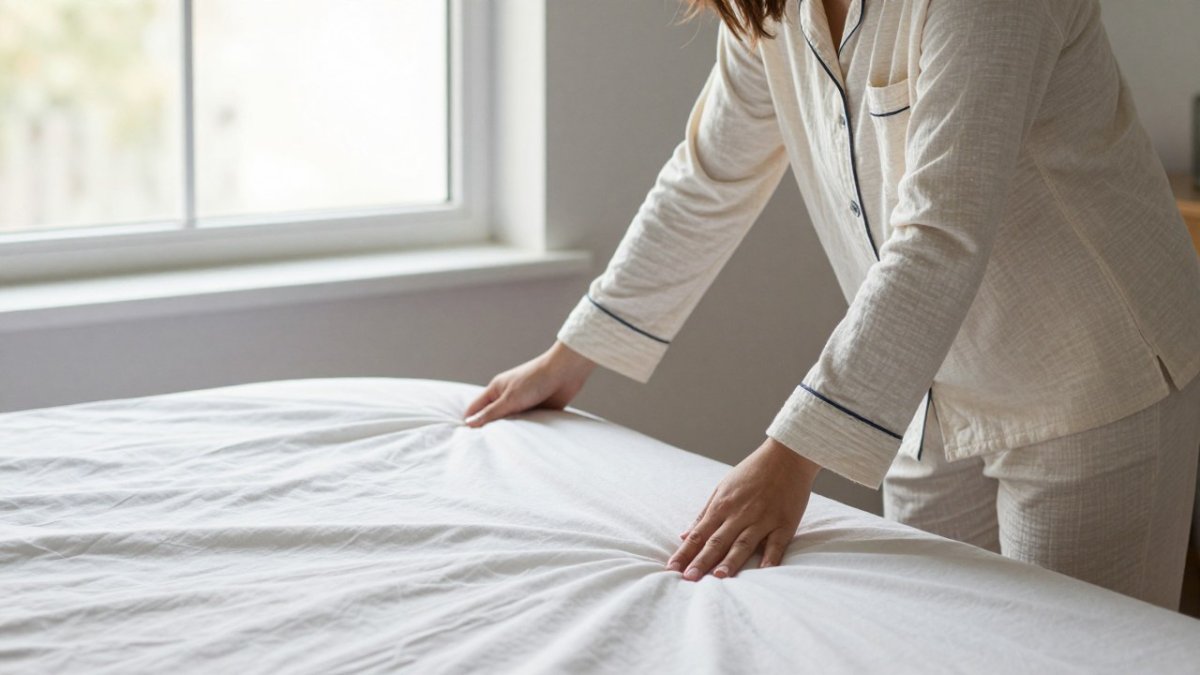
- Start with breathable sleepwear. Choose loose, lightweight cotton pajamas in a plain or open weave. Loose fit matters as much as fiber: tight fabric traps air and holds sweat against the skin.
- Pick a breathable sheet set. Our Complete Organic Sheet Set is made from 100% organic cotton sateen.
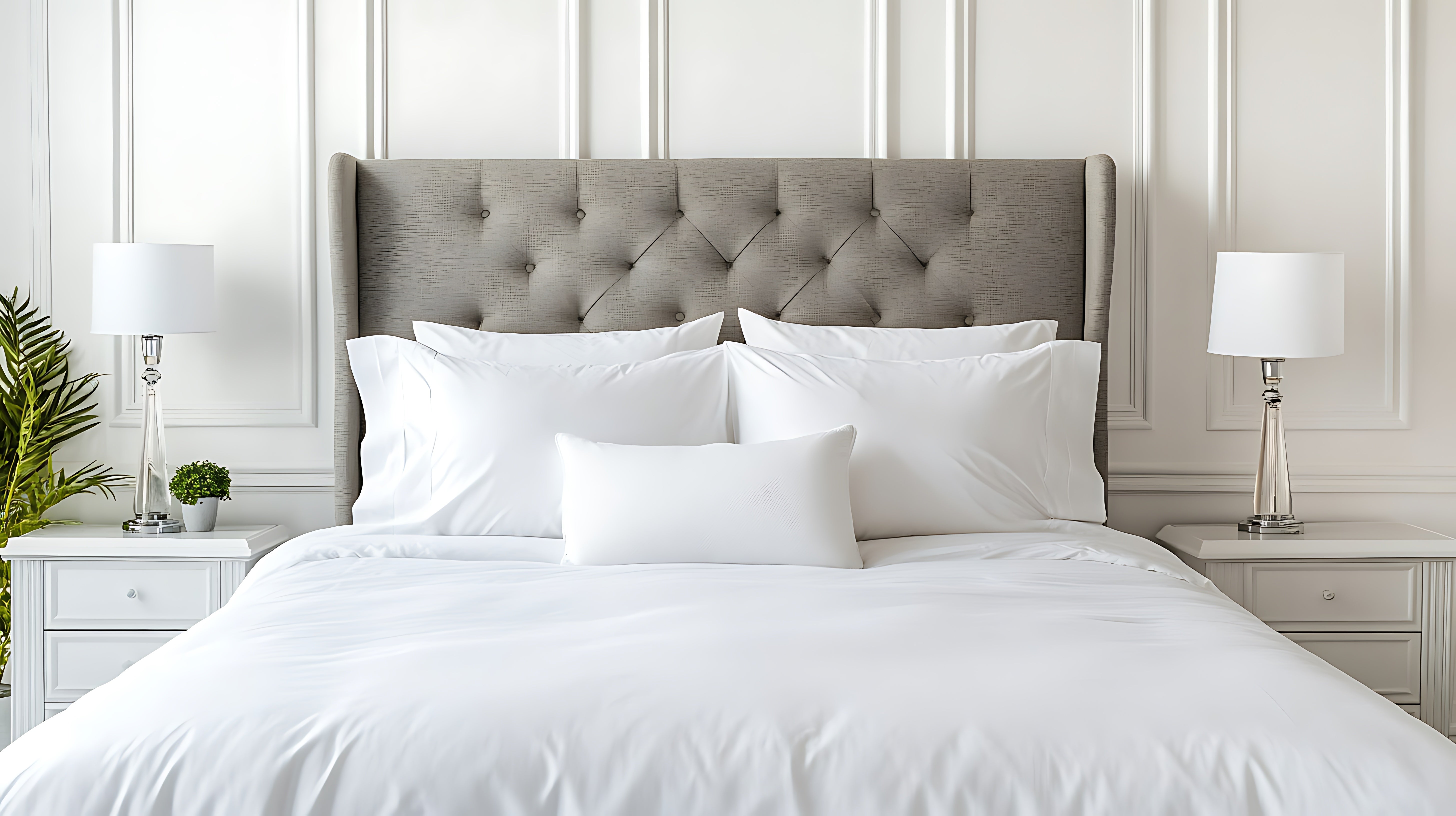
- Layer the top of the bed so you can adjust. Use a thin, removable top layer over the sheet, such as a lightweight cotton blanket or waffle-weave coverlet, instead of one heavy comforter. That way you can kick off a layer at 2 a.m. without remaking the bed.
- Keep a spare set within reach. Store a second breathable sheet and a dry pajama top in a nearby drawer or basket so you can swap a damp layer quickly and go back to sleep.
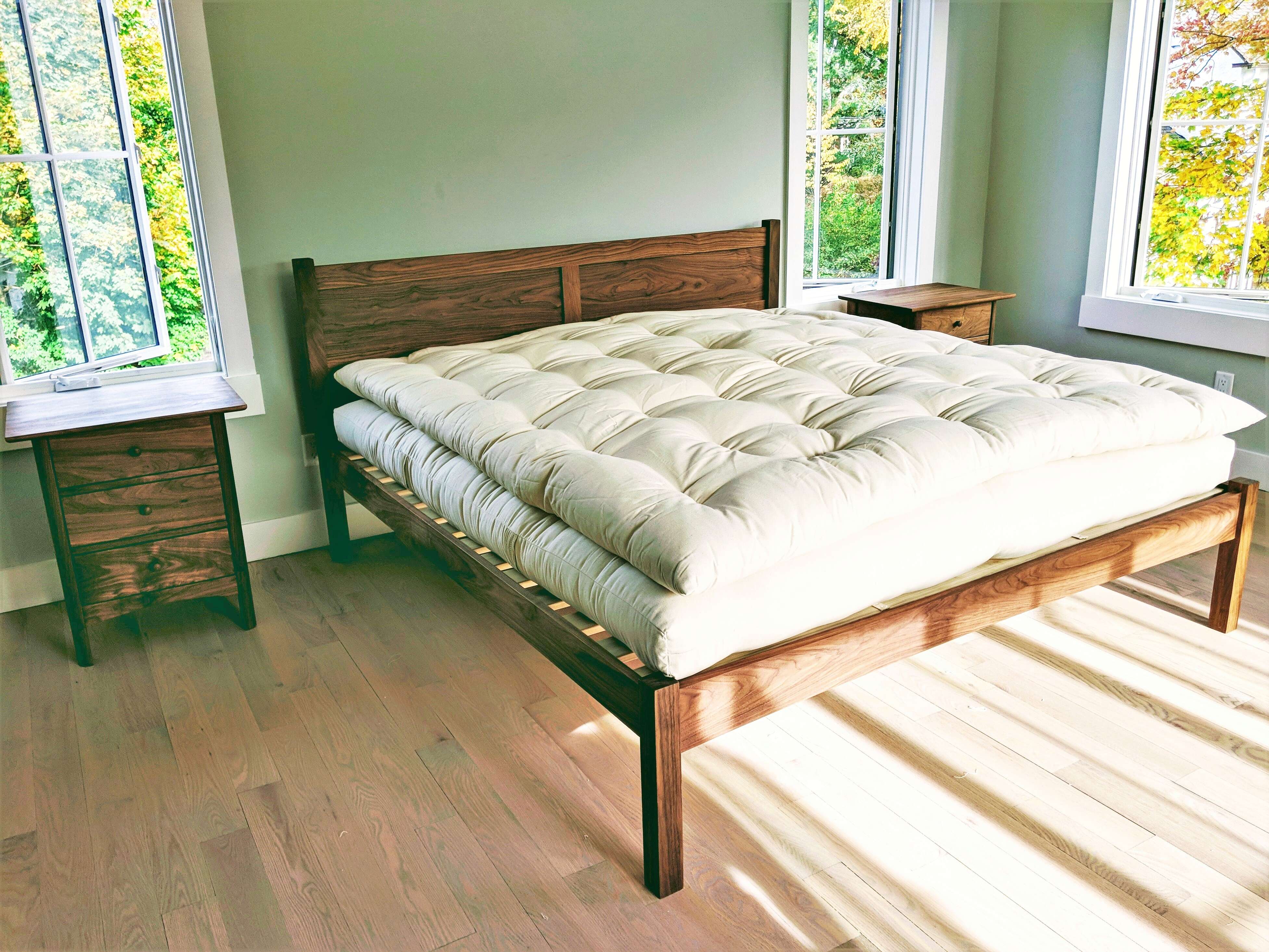
- Add a breathable topper if you want more softness. Our organic mattress topper uses organic cotton for a natural sleep surface.
- Cool the room, not just the bed. A room kept on the cool side, with air moving from a fan or cracked window, helps cotton do its job because evaporation depends on airflow. Breathable fabric cannot compensate for a stuffy room.
- Browse the full range. The bedding collection brings sheets, toppers and pillows together in one place.
Watch out: a damp cotton sheet left bunched under a heavy comforter stays clammy and can hold odor, so strip and air the bed in the morning rather than making it immediately.
Plan to wash sweat-soaked cotton promptly and let it dry fully before reusing it. Damp fabric left in a pile can feel unpleasant and hold odor. If you wake up damp more than once a night even after adjusting layers and room temperature, that is a sign to talk with a healthcare professional about the underlying cause rather than continuing to change bedding alone.
Choosing Your Next Sheet Set or Sleepwear Upgrade
Breathable cotton can help many people with night sweats, especially when sweat is light to moderate. It is not a cure, and heavy sweating may need a faster-drying fabric. Start with what you already sleep on, notice how it feels after a warm night, and upgrade one piece at a time. If you are ready to try a natural cotton option, explore our Complete Organic Sheet Set and see how it feels on your bed.
Frequently Asked Questions
What is the best fabric for night sweats?
Breathable natural fibers such as cotton are a common starting point because they allow air to move past the skin. Cotton is widely available and comfortable, but it absorbs sweat and can stay damp, which may feel cold or clammy. Many people also consider moisture-wicking synthetics or TENCEL, which some guides describe as drying faster than cotton. A good choice often depends on how much you sweat and whether you prioritize breathability, absorbency or quick drying. Testing a few options in a lightweight weave can show which one keeps you most comfortable.
Are cotton sheets or bamboo sheets better for night sweats?
Cotton sheets are widely available, breathable and easy to care for, which makes them a practical default for many sleepers. Bamboo sheets are often marketed as cooling and moisture-wicking, but the research available here does not establish that they outperform cotton for night sweats. Weave and weight matter as much as fiber, since a lightweight percale or sateen weave generally feels cooler than a dense one. If you wake up damp, consider rotating two sheet sets so one can be washed and dried while the other is in use.
Can cotton pajamas help with hot flashes at night?
Cotton pajamas can help some people because the fabric is breathable and lets heat escape from the skin. Pajamas that are loose and lightweight tend to work best. If night sweats are frequent or disruptive, it is worth discussing them with a doctor.
When should night sweats be discussed with a doctor?
Occasional night sweats are common, but persistent or disruptive ones deserve medical attention. Consider talking to a doctor if night sweats keep you from sleeping, come with unexplained weight loss, fever or fatigue, or happen regularly without an obvious cause such as a warm room or heavy bedding. A clinician can check for medical causes and discuss options. Changing your bedding and sleepwear is a useful step to take alongside that conversation, not a replacement for it.


